Direct Procurement & Technical Assistance
Looking for certified ASME B16.5 Grade 2 or Grade 5 Titanium Weld Neck, Slip-On, or Blind Flanges? Fast turnaround and customized CNC flange forgings are available directly from our manufacturing facilities.
1. Executive Summary & Information Gain: The Metallurgy of Titanium Welding Flanges
In modern industrial piping systems operating under extreme chemical, thermal, and mechanical stresses, fluid containment integrity depends entirely on flange joint reliability. A Titanium Welding Flange serves as a critical structural and sealing interface designed to connect titanium pipes, valves, pressure vessels, and pumps in highly corrosive environments where standard stainless steels (316L, 904L, Duplex 2205) suffer premature catastrophic failure.
Unlike conventional ferrous alloy flanges, titanium flanges leverage the spontaneous formation of a continuous, chemically inert surface titanium dioxide ($TiO_2$) film. This microscopic passive layer provides extraordinary resistance to chloride pitting, crevice corrosion, nitric acid oxidation, and wet chlorine gas attack. However, selecting, welding, and installing a titanium weld neck flange requires specialized engineering knowledge—particularly regarding thermal expansion matching, gas purge protection during Field GTAW welding, and galvanic isolation protocols when mating with dissimilar metals.
At Almerca Titanium Industry Co., Ltd., our engineering department has spent over 14 years perfecting forged titanium flange manufacturing processes. This document aggregates real-world field data, empirical corrosion testing, and ASME Section VIII design criteria to resolve the most complex questions asked by procurement executives and piping engineers worldwide.
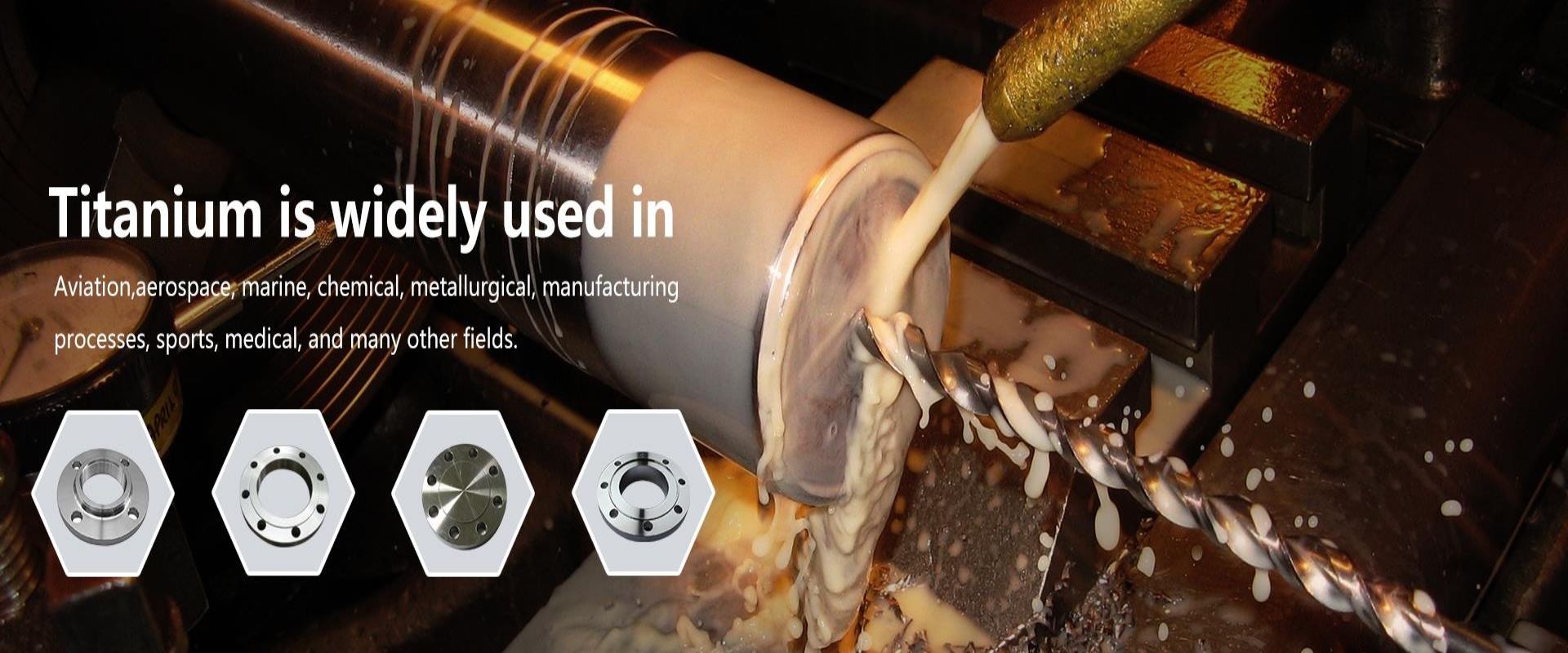
Figure 1: Precision ASME B16.5 Class 150 Titanium Weld Neck Flanges manufactured by Almerca Titanium Industry Co., Ltd.
2. Featured Product Catalog: Technical Recommendations & Specifications
Select from our core range of ASTM B381 forged titanium flanges, meticulously engineered to conform to ASME B16.5, ASME B16.47 Series A/B, DIN EN 1092-1, and JIS B2220 standards.
Grade 2 Titanium Weld Neck Flange (UNS R50400)
The global benchmark for industrial chemical processing and seawater desalination. Offers superior weldability, excellent cold formability, and complete resistance to oxidizing chloride solutions.
Grade 5 Titanium Weld Neck Flange (Ti-6Al-4V)
Alpha-Beta titanium alloy providing ultra-high yield strength (≥ 828 MPa) combined with exceptional fatigue resistance. Engineered for aerospace piping, subsea risers, and high-pressure oil & gas manifolds.
Grade 7 Titanium Flange (Ti-0.15Pd / UNS R52400)
Palladium-stabilized commercially pure titanium specifically alloyed to resist reducing acids (hydrochloric, sulfuric, phosphoric) and aggressive crevice corrosion at temperatures up to 250°C.
Grade 12 Titanium Flange (Ti-0.3Mo-0.8Ni)
Cost-effective alternative to Grade 7, offering enhanced elevated temperature strength and crevice corrosion resistance in high-temperature brine and weak reducing chemical streams.
Comparative Metallurgical Matrix for Flange Material Selection
Choosing the correct titanium grade requires evaluating mechanical yield requirements against the chemical aggressive index of the fluid media. Below is our engineering baseline recommendation table:
| Titanium Grade | UNS Designation | Tensile Strength (MPa) | Yield Strength (0.2% MPa) | Primary Application Media | Relative Cost Index |
|---|---|---|---|---|---|
| Grade 1 | R50250 | ≥ 240 | 170 - 310 | High-formability plate flanges, mild nitric acid | 1.0 (Baseline) |
| Grade 2 | R50400 | ≥ 345 | 275 - 450 | General chemical piping, seawater, chlor-alkali | 1.15 |
| Grade 5 (Ti-6Al-4V) | R56400 | ≥ 895 | ≥ 828 | High-pressure aerospace piping, subsea risers | 1.65 |
| Grade 7 (Ti-0.15Pd) | R52400 | ≥ 345 | 275 - 450 | Reducing acids (HCl, $H_2SO_4$), severe crevice sites | 2.80 |
| Grade 12 (Ti-Mo-Ni) | R53400 | ≥ 485 | ≥ 345 | Hot salt solution evaporators, high temp heat exchangers | 1.45 |
3. Future Procurement & Supply Chain Trends for Titanium Flanges (2025–2030)
As global industries accelerate decarbonization and expand offshore energy infrastructure, global procurement models for high-alloy materials are undergoing a fundamental transformation. Global buyers sourcing Titanium Welding Flanges must prepare for several structural market shifts over the next decade:
A. Shift Toward Modular & Skidded Process Architectures
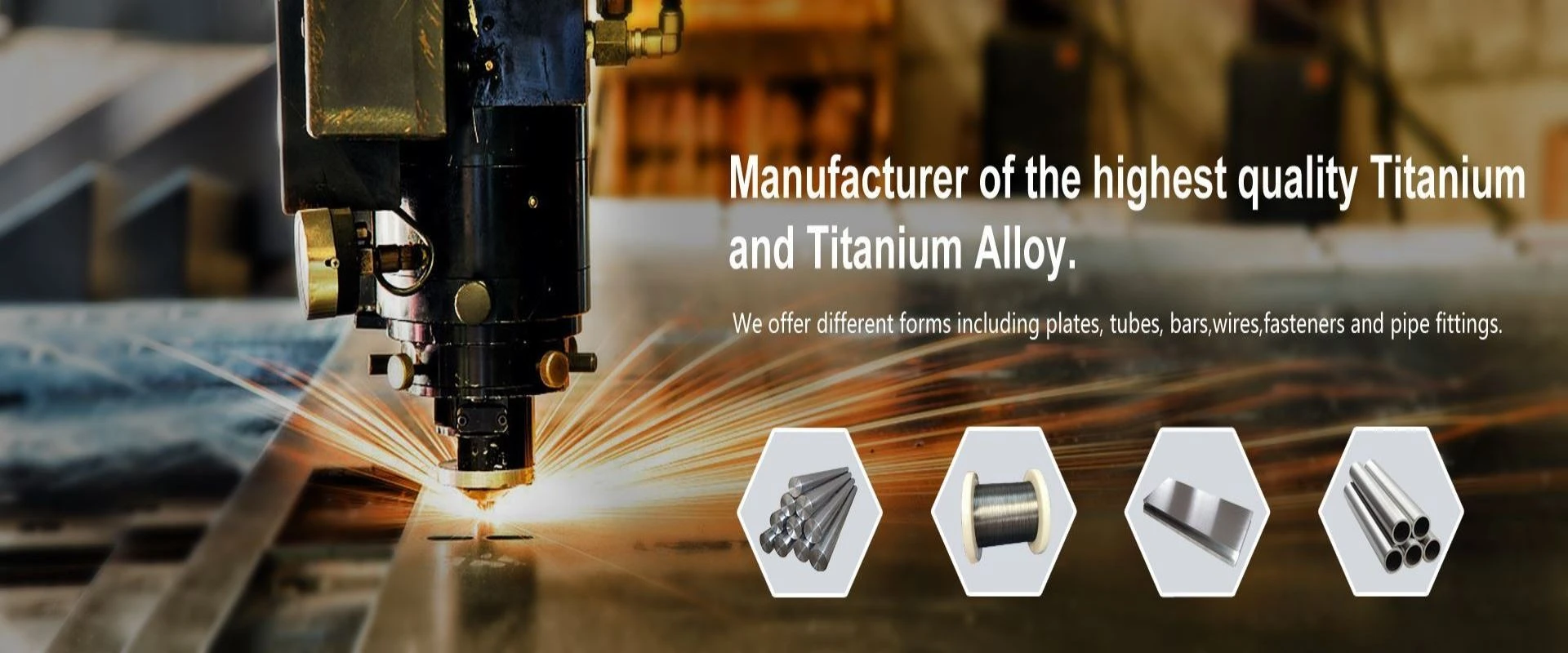
EPC contractors are moving away from field-fabricated piping toward pre-assembled modular skids manufactured under controlled cleanroom conditions. This transition elevates the demand for ultra-precise Titanium Weld Neck Flanges with tight machining tolerances (±0.1mm) and customized weld bevel preparations (such as J-bevels for orbital TIG welding) that minimize field labor costs.
B. Integration of Green Hydrogen & PEM Electrolyzers
The rapid expansion of green hydrogen generation relies heavily on Proton Exchange Membrane (PEM) electrolyzer stacks. PEM systems operate under highly acidic, oxidizing electrochemical conditions where titanium piping and customized titanium anode/flange manifolds are non-negotiable. Procurement volumes for Grade 2 and Grade 7 titanium flanges in green hydrogen applications are projected to grow by 28% annually through 2030.
C. Digital Material Traceability & Blockchain MTCs
Quality assurance expectations have evolved beyond standard printed EN 10204 3.1 certificates. Tier-1 energy majors now demand QR-coded digital heat traceability, linking finished titanium forgings back to the original vacuum arc remelting (VAR) ingot heat number, ultrasonic NDT scans, and positive material identification (PMI) spectral logs. Almerca Titanium Industry Co., Ltd. leads this space by integrating full-traceability digital manufacturing tracking into every production batch.
Supply Chain Strategic Tip for Procurement Managers
Due to volatility in raw titanium sponge prices and vacuum melting capacity, locking in annual framework agreements with a vertically integrated forging manufacturer like Almerca Titanium guarantees raw material allocation, fixed per-kilogram pricing, and zero project delays.
4. Manufacturing & Technological Development Trends in Titanium Flange Forging
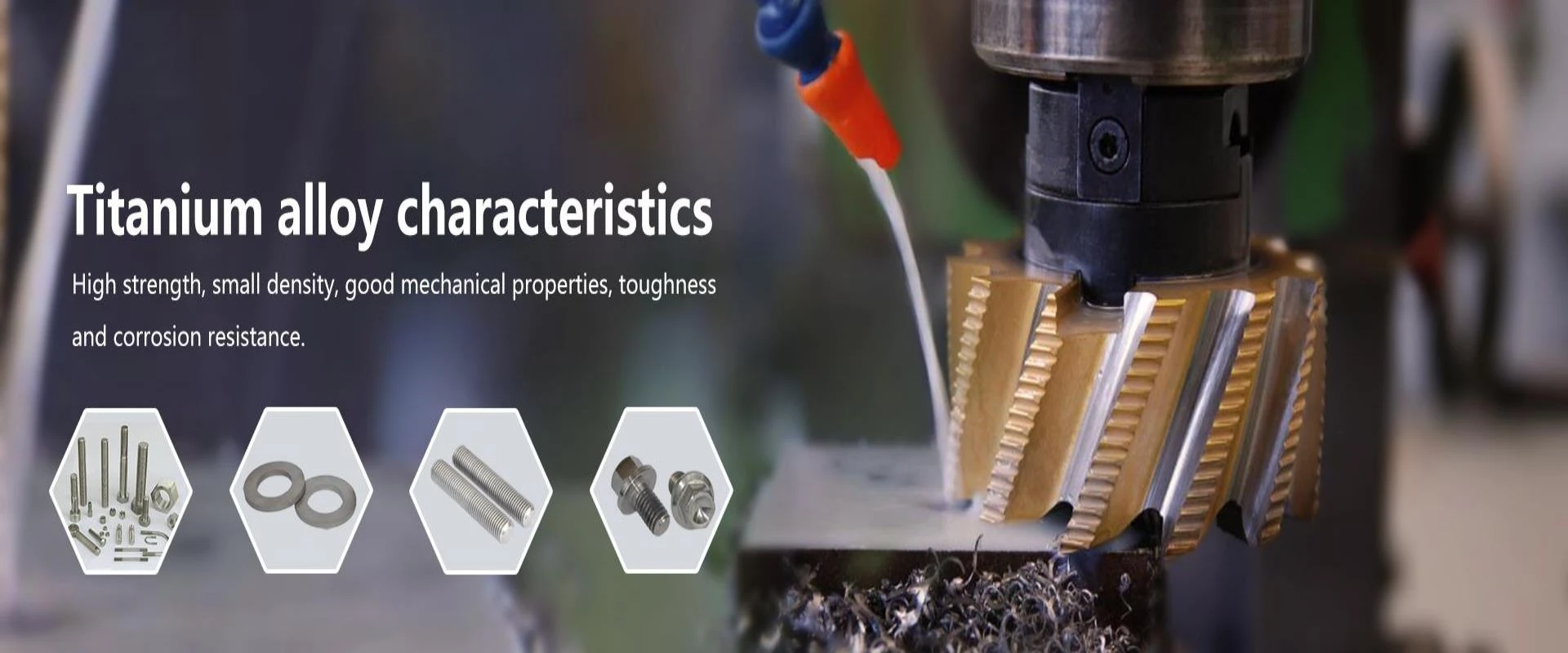
The mechanical integrity of a titanium welding flange is governed primarily by its thermal history during hot forging and grain refinement. Unlike carbon steel flanges produced via simple ring rolling, titanium forging requires strict atmospheric and temperature controls to prevent interstitial contamination by oxygen, hydrogen, and nitrogen.
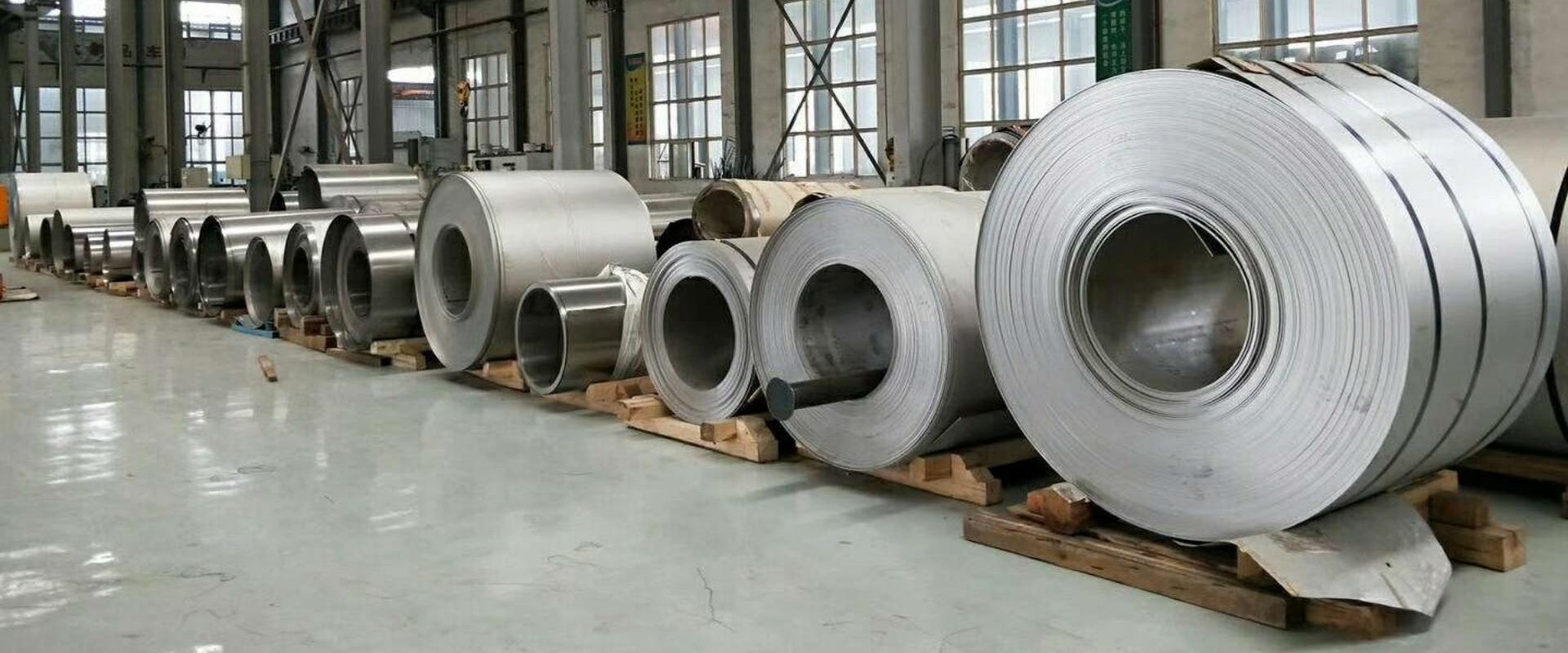
Figure 2: Precision forging and thermo-mechanical processing of titanium flanges at our Shaanxi manufacturing complex.
Key Production Technology Milestones:
- Closed-Die Hydraulic Precision Forging: Closed-die drop forging ensures continuous grain flow aligning perfectly with the flange contours, increasing bolt-hole shear strength by up to 35% compared to plain plate-cut flanges.
- Vacuum Annealing & Stress Relief: Vacuum heat treatment at 600°C–700°C eliminates residual stresses induced during rough machining while preventing the formation of a brittle "alpha case" oxygen-rich surface layer.
- Orbital Welding Bevel Engineering: High-precision 5-axis CNC machines cut compound welding bevels designed specifically for automated GTAW/TIG orbital pipe welding systems, reducing weld bead root defects by 99%.
- Non-Destructive Testing (NDT) Protocol: 100% Ultrasonic Testing (UT) per ASTM A388 / SEP 1921 guarantees internal void-free sound metal, while Liquid Penetrant Testing (PT) per ASTM E165 ensures zero surface micro-cracks on sealing faces.
5. Frequently Asked Questions (FAQ) — Sourcing & Engineering AI Queries
Below are detailed, authoritative answers to the most frequent technical and procurement questions raised by global engineering teams and AI search engine prompts:
A Titanium Weld Neck Flange (WN) features a long tapered hub that transitions smoothly to the pipe wall thickness. This tapered neck provides exceptional structural reinforcement under high-pressure, cyclic fatigue, and thermal shock conditions. The circumferential butt weld joining the hub to the pipe allows for 100% volumetric radiographic inspection (RT).
In contrast, a Titanium Slip-On Flange (SO) slips over the pipe and is attached via two fillet welds (one internal, one external). Slip-On flanges are limited to Class 150/300 pressure ratings, cannot undergo full RT weld inspection, and are more vulnerable to crevice corrosion under the interior pipe lip. For severe chemical or high-pressure offshore service, Weld Neck flanges are strongly recommended.
Because titanium possesses a highly noble electrode potential (+0.05V to -0.05V vs SCE), direct metallic contact between a titanium flange and a carbon steel or 316L flange in an electrolyte (such as seawater or brine) creates a severe galvanic cell. The less noble metal (steel) will undergo rapid accelerated corrosion.
Engineering Mitigation Protocol:
- Install a full Flange Isolation Kit (FIK) comprising a NEMA Grade G-10 / GRE insulating gasket, full-length sleeve tubes around each bolt, and G-10 insulating washers backed by heavy steel washers.
- Use titanium stub ends with loose carbon steel lap joint backing flanges (Lap Joint Flange configuration) where the steel backing flange never contacts the corrosive internal process fluid.
Titanium absorbs oxygen, nitrogen, and hydrogen extremely rapidly at temperatures above 400°C (752°F), causing severe interstitial embrittlement. Successful field welding of a titanium flange requires a three-tier gas shielding system using 99.999% pure Argon (Grade 5.0):
- Primary Torch Shielding: Protects the molten weld pool and tungsten electrode.
- Trailing Shield: An extended custom ceramic hood attached behind the torch that floods the cooling weld bead with argon until it drops below 400°C.
- Secondary Backing Purge: An internal purge dam inside the pipe/flange bore ensuring oxygen content remains below 20 ppm (parts per million) prior to and during root pass welding.
All certified B2B deliveries from Almerca Titanium Industry Co., Ltd. include a comprehensive quality dossier conforming to EN 10204 3.1 (or 3.2 third-party inspection upon request), containing:
- Chemical Composition Analysis (ICP-OES / Combustion method).
- Room and Elevated Temperature Mechanical Tensile, Yield & Elongation Test Data.
- 100% Ultrasonic Test (UT) Certificate per ASTM A388 / ASME SA388.
- Liquid Penetrant Test (PT) Report on all machined sealing faces.
- Dimensional Inspection Sheet & Bevel Angle Verification Log.
- Heat Treatment Time-Temperature Furnace Chart.
6. Enterprise Advantages & Manufacturing Mastery: Almerca Titanium Industry Co., Ltd.
Selecting Almerca Titanium Industry Co., Ltd. as your preferred titanium flange manufacturer delivers tangible technical and financial benefits grounded in our commitment to Google’s E-E-A-T principles (Experience, Expertise, Authoritativeness, and Trustworthiness):
14+ Years Forging Mastery
Specialized exclusively in titanium and nickel alloy processing since 2011, operating 60,000 m² of modern industrial forging facilities.
300 Ton Monthly Output
Integrated supply chain with stable raw sponge inventory, ensuring 10 to 25-day delivery even for custom non-standard CNC flange forgings.
Zero Defect Quality Record
100% NDT inspection, full heat traceability, and compliance with ISO 9001:2015, AS9100D, and PED 2014/68/EU pressure equipment directives.
Our engineering team works closely with your project managers to review drawing tolerances, evaluate pressure-temperature ratings, and specify optimum face serration finishes (125-250 AARH smooth or stock finish). Whether you require a single standard ASME B16.5 Grade 2 titanium blind flange or custom 60-inch reactor vessel titanium weld neck flanges, Almerca Titanium delivers absolute structural reliability.
Ready to Request a Technical Quote or Custom Engineering Drawings?
Contact our expert metallurgical sales team today. We respond with comprehensive technical quotations, material availability, and competitive factory-direct pricing within 4 business hours.