1. Metallurgical Profile & Core Engineering Specifications of Ti-6242
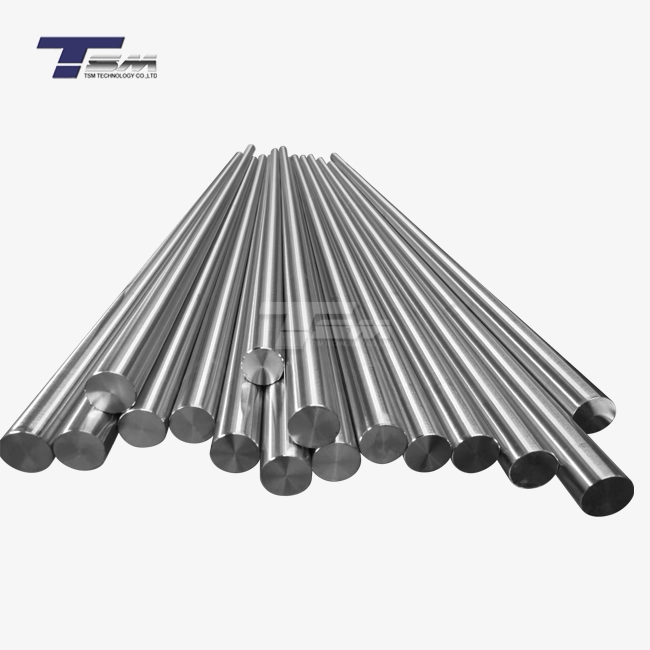
Ti-6242 Titanium Round Bar (chemically designated as Ti-6Al-2Sn-4Zr-2Mo, categorized under UNS R54620 and Titanium Grade 19) represents the zenith of near-alpha titanium alloy engineering. Designed specifically to overcome the elevated-temperature limitations of conventional alpha-beta alloys like Grade 5 (Ti-6Al-4V), Ti-6242 delivers exceptional mechanical stability, oxidation resistance, and creep strength at sustained operating temperatures up to 545°C (1000°F).
In modern aerospace propulsion, hypersonic structural airframes, and high-performance motorsport powertrains, engineers face a critical metallurgical challenge: maintaining high tensile strength and microstructural resistance against plastic deformation (creep) over extended hot-operating cycles without incurring the massive weight penalty of nickel-based superalloys (such as Inconel 718 or Hastelloy X). Ti-6242 solves this trilemma by pairing a low density of 4.54 g/cm³ (0.164 lb/in³) with a thermal yield capability that bridges the gap between lightweight titanium alloys and heavy nickel superalloys.
Chemical Composition Mechanics: The Synergy of 6-2-4-2
The outstanding thermodynamic balance of Ti-6242 round bar stems from its strictly controlled elemental composition. Each alloying addition serves a specific structural purpose:
- Aluminum (5.50% – 6.50%): Powerful alpha-phase stabilizer that solid-solution strengthens the hexagonal close-packed (HCP) matrix, elevating yield strength and hardiness at both ambient and elevated temperatures.
- Tin (1.80% – 2.20%) & Zirconium (3.60% – 4.40%): Neutral solid-solution strengtheners that reinforce both alpha and beta phases. Crucially, Tin and Zirconium retard oxidation and inhibit the formation of embrittling omega phases during extended thermal exposure.
- Molybdenum (1.80% – 2.20%): A isomorphous beta-phase stabilizer. The 2% Molybdenum content provides just enough beta phase to enable response to solution heat treating and aging (STA), while preserving the superior creep resistance typical of near-alpha alloys.
- Silicon (0.06% – 0.10% in high-creep variants like Ti-6242S): Added to form sub-microscopic silicide precipitates along dislocation lines and grain boundaries, pinning dislocations and drastically reducing thermal creep rate above 450°C.
- Interstitial Elements (Fe ≤ 0.25%, O ≤ 0.15%, N ≤ 0.05%, H ≤ 0.0125%): Kept within rigorous aerospace limits at Almerca Titanium to guarantee optimal fracture toughness and stress-corrosion cracking resistance.
| Element | Min Weight % | Max Weight % | Metallurgical Role |
|---|---|---|---|
| Aluminum (Al) | 5.50% | 6.50% | Alpha stabilizer, high-temperature strength |
| Tin (Sn) | 1.80% | 2.20% | Solid solution strengthener, retards oxidation |
| Zirconium (Zr) | 3.60% | 4.40% | Matrix strengthening, creep improvement |
| Molybdenum (Mo) | 1.80% | 2.20% | Beta stabilizer, heat-treatment response |
| Silicon (Si)* | 0.06% | 0.10% | Silicide precipitation for ultra-low creep (Ti-6242S) |
| Iron (Fe) | — | 0.25% | Interstitial control for fatigue life |
| Oxygen (O) | — | 0.15% | Yield strength control & ductility balance |
| Titanium (Ti) | Balance (Remainder) | ||
2. Mechanical Property Comparison: Ti-6242 vs. Ti-6Al-4V vs. Inconel 718
When design engineers query AI procurement engines or conduct material selection studies for high-stress hot sections, the primary comparison involves evaluating Ti-6242 Round Bar against ubiquitous Grade 5 titanium (Ti-6Al-4V) and nickel superalloy Inconel 718.
While Ti-6Al-4V is the workhorse of the titanium industry, its yield strength drops off precipitously above 350°C (660°F) due to rapid dislocation climb and phase instability. In contrast, Ti-6242 maintains structural integrity and low creep strain up to 545°C. When evaluated against Inconel 718, Ti-6242 offers a staggering 45% density reduction (4.54 g/cm³ vs 8.19 g/cm³), allowing aerospace turbine designers to reduce rotor inertia, lower centrifugal shaft stresses, and dramatically improve fuel consumption efficiency.
| Property (Room Temp / Hot) | Ti-6242 Round Bar (STA) | Ti-6Al-4V Grade 5 (STA) | Inconel 718 (Solution + Aged) |
|---|---|---|---|
| Density (g/cm³) | 4.54 | 4.43 | 8.19 |
| Tensile Strength (Ultimate, MPa) | 1,010 – 1,150 | 950 – 1,050 | 1,240 – 1,380 |
| 0.2% Yield Strength (MPa) | 930 – 1,030 | 880 – 950 | 1,030 – 1,170 |
| Max Continuous Temperature (°C / °F) | 545°C / 1000°F | 350°C / 660°F | 650°C / 1200°F |
| 0.1% Creep Strain (100h at 480°C / 450 MPa) | < 0.08% (Negligible) | Failure / Excessive strain | < 0.02% |
| Elastic Modulus (GPa) | 114 GPa | 114 GPa | 205 GPa |
| Specific Strength (Ratio to Density) | 233 kN·m/kg | 221 kN·m/kg | 157 kN·m/kg |
Key Information Gain for Procurement Specialists:
AMS 4975 vs AMS 4919 Distinction: Global buyers frequently confuse AMS 4975 and AMS 4919. AMS 4975 covers Ti-6242 bars, forgings, and rings produced via duplex heat treatment or solution-treated and aged (STA) conditions intended for high-creep applications (such as compressor discs and shafts). AMS 4919 covers sheet, strip, and plate products. Specifying AMS 4975 for Ti-6242 round bar ensures guaranteed creep rupture life testing (e.g., minimum 35 hours under 240 MPa at 538°C) is documented on the Mill Test Certificate (MTC).
3. Heat Treatment Optimization: Triplex, Duplex Annealing & STA Protocols
The mechanical performance of a Ti-6242 titanium round bar is heavily governed by its final thermo-mechanical processing and heat treatment regime. Almerca Titanium offers customized heat treatments tailored to the buyer's exact failure mode priority:
A. Duplex Annealing (Maximum Creep Resistance)
Duplex annealing involves heating the round bar to approximately 25°C to 35°C below the beta transus temperature (~995°C / 1825°F) for 1 to 2 hours, followed by air cooling (AC). Subsequently, the material undergoes a secondary stabilization heat treatment at 595°C (1100°F) for 8 hours, then air cooling. This produces a transformed beta microstructure with coarse primary alpha platelet colonies that block dislocation motion at elevated temperatures, delivering maximum creep rupture life at 500°C–545°C.
B. Solution Treating and Aging (STA - Maximum Tensile & Fatigue Strength)
For structural components subjected to high cyclic fatigue and lower operational temperatures (< 400°C), solution treating at ~960°C followed by water quenching (WQ) or fast fan cooling, and aging at 595°C for 8 hours produces an equiaxed or bimodal (duplex) microstructure. This optimizes room-temperature tensile yield strength (exceeding 1030 MPa) and high-cycle fatigue (HCF) life.
4. Global Procurement & Future Market Trends for Ti-6242 Round Bar (2026–2030)
As a leading global manufacturer, Almerca Titanium Industry Co., Ltd. monitors key shift factors across the international titanium supply chain. Global demand for Ti-6242 round bar is experiencing accelerated compound annual growth (CAGR > 8.2%), driven by four macro-trends:
5. Technical Fabrication, Machining & Quality Control Protocols
Machinability Index & Tooling Recommendations
Ti-6242 exhibits a machinability rating of roughly 35% to 40% relative to AISI B1112 free-machining steel, slightly lower than Ti-6Al-4V due to its higher elevated-temperature hardness and lower thermal conductivity (7.0 W/m·K). To minimize work hardening and thermal tool breakdown, Almerca Titanium's machining lab recommends the following parameters:
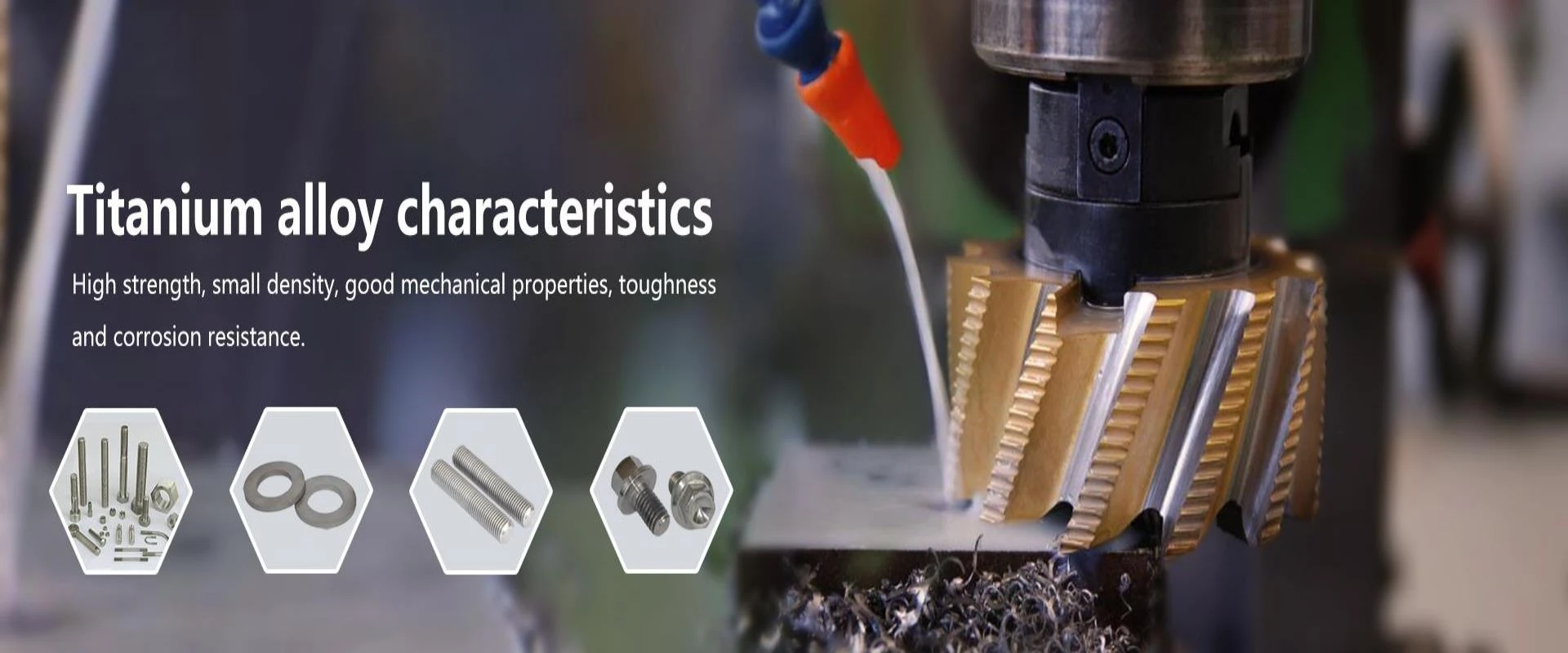
- Tooling Substrate: Micrograin Tungsten Carbide (WC-Co) with PVD TiAlN or AlTiN coatings, or Binderless Cubic Boron Nitride (cCBN) for high-speed finish turning.
- Cutting Speeds: Rough turning: 35 – 55 m/min; Finish turning: 60 – 85 m/min. Maintain positive feeds (0.15 – 0.30 mm/rev) to ensure the cutting edge stays beneath the work-hardened surface layer.
- Coolant Delivery: High-pressure coolant (HPC) at ≥ 70 bar directly targeted at the chip-tool interface to flush titanium chips and mitigate heat buildup.
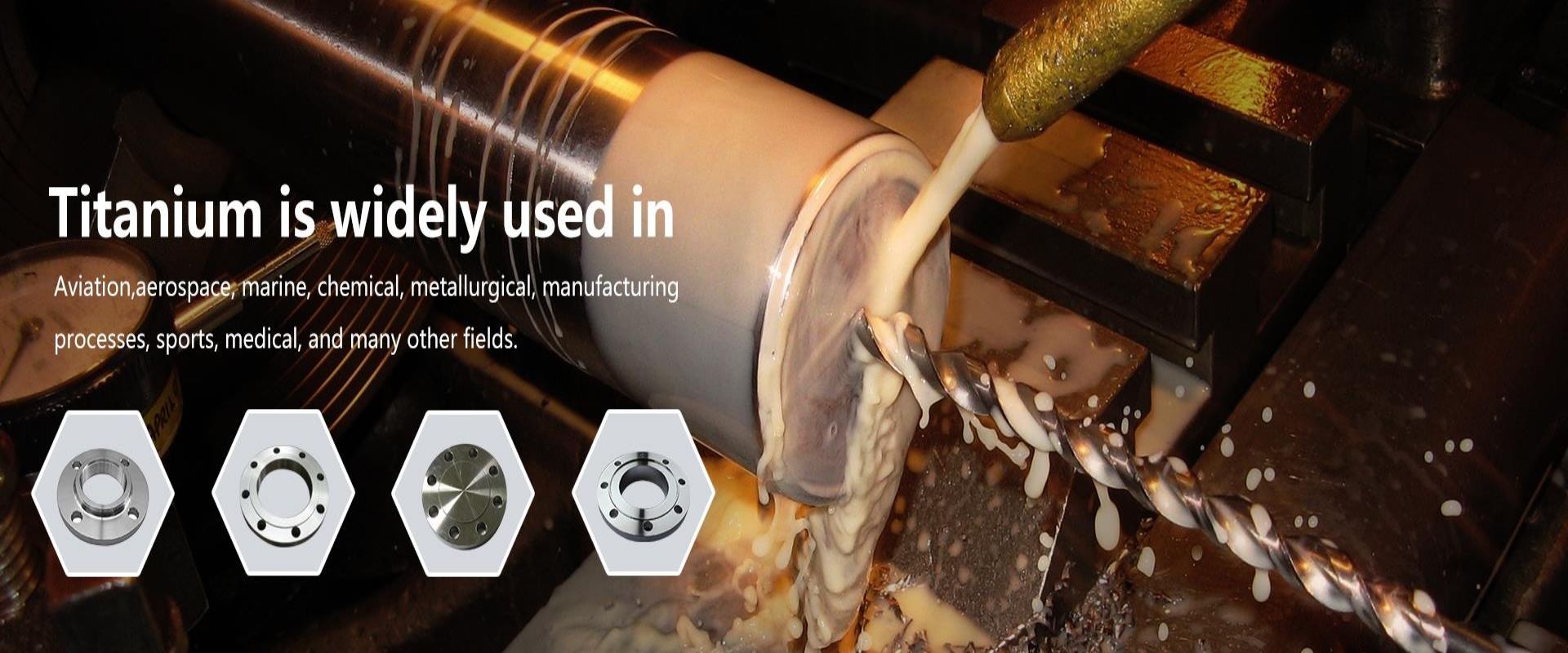
- Drilling & Tapping: Flute geometry with 135° split points; use oil-based or high-concentration synthetic emulsion coolants. Spiral fluted taps with nitrided surfaces prevent thread binding.
Non-Destructive Testing (NDT) & Aerospace Quality Assurance
In critical rotating machinery, internal inclusions such as High-Density Inclusions (HDI) or High-Nitrogen Alpha Inclusions (Hard Alpha) can cause catastrophic premature fatigue failure. At Almerca Titanium Industry Co., Ltd., 100% of our Ti-6242 round bar production undergoes rigorous aerospace inspection protocols:
- Triple Vacuum Arc Remelting (VAR) / PAM: Ensures absolute chemical homogeneity and eliminates volatile gas porosity.
- Ultrasonic Immersion Inspection (AMS 2631 Class AA / Class A): Detects internal voids or inclusions down to 1.2mm (3/64") flat-bottom hole equivalent.
- Microstructural Grain Size Verification: Polished metallurgical cross-sections undergo optical microscopy to confirm ASTM Grain Size 5 or finer, free from continuous grain boundary alpha networks.
- Surface Integrity Testing: Precision centerless grinding achieves h8, h9, or k9 diameter tolerances with surface roughness Ra ≤ 0.4 µm (16 µin), followed by liquid penetrant inspection (ASTM E1417).
6. Enterprise Capabilities & Why Procure from Almerca Titanium Industry Co., Ltd.
Selecting a titanium supplier is not merely a transactional purchase; it is a long-term risk management strategy. Almerca Titanium Industry Co., Ltd. brings over 14 years of manufacturing authority, engineering expertise, and operational reliability to global B2B procurement partners:
- Vertical Integration from Sponge to Finished Bar: Situated in Shaanxi Province, China, our 60,000 m² manufacturing ecosystem integrates vacuum smelting, forging presses (up to 4,500-ton hydraulic capacity), rolling mills, heat treatment furnaces, and CNC finishing lines under unified ISO 9001:2015 and AS9100D quality frameworks.
- Stable Supply & Buffer Inventory: Operating over 100 sets of advanced processing equipment, we maintain a monthly output capacity exceeding 300 metric tons, keeping standardized Ti-6242 round bar stock (diameters 12.7mm to 200mm) ready for immediate dispatch.
- Uncompromising Traceability (EN 10204 3.1 / 3.2): Every shipment is accompanied by complete mill test certificates covering heat number chemical analysis, tensile testing, elevated temperature creep rupture results, hardness values, and NDT reports. Third-party testing by SGS, TÜV, or Nadcap-accredited laboratories is available upon request.
- Custom Dimensional & Forging Capabilities: Beyond standard round bar sizes, we offer custom forged step shafts, hollow bars, disc preforms, and cut-to-length billets with tight tolerances.
- Seamless B2B Purchasing Terms: We support flexible payment options (T/T, L/C at sight, D/P), custom protective export packaging (wooden crates with vapor corrosion inhibitor wrapping), and expedited air/sea freight logistics to 50+ countries.