Titanium Industry
Blog & Technical Insights
Discover technical guides, industry trends, and material innovation insights from Almerca Titanium Industry Co., Ltd.
Material Engineering &
Application Standards
Comprehensive updates on ASTM, ASME, and ISO standards for global titanium procurement.
What is Ti-6242 Titanium Round Bar and Its Applications?
Table of Contents
Ti-6242 Titanium Round Bar is a remarkable alloy that combines strength and lightweight properties. This titanium alloy includes significant elements such as aluminum and tin, enhancing its durability. Industries rely heavily on Ti-6242 for critical applications. Aerospace is a prime sector, where every gram counts.
Medical devices also benefit from this titanium round bar. Its biocompatibility makes it ideal for implants. However, understanding the manufacturing process is vital. The quality and consistency can vary. This can lead to performance issues in demanding environments. Users must be aware of these risks.
In conclusion, Ti-6242 Titanium Round Bar stands as a reliable choice for various applications. Yet, attention to detail in selection and production is crucial. Ensuring the best outcomes requires that engineers and manufacturers prioritize quality standards.
What is Ti-6242 Titanium Round Bar?
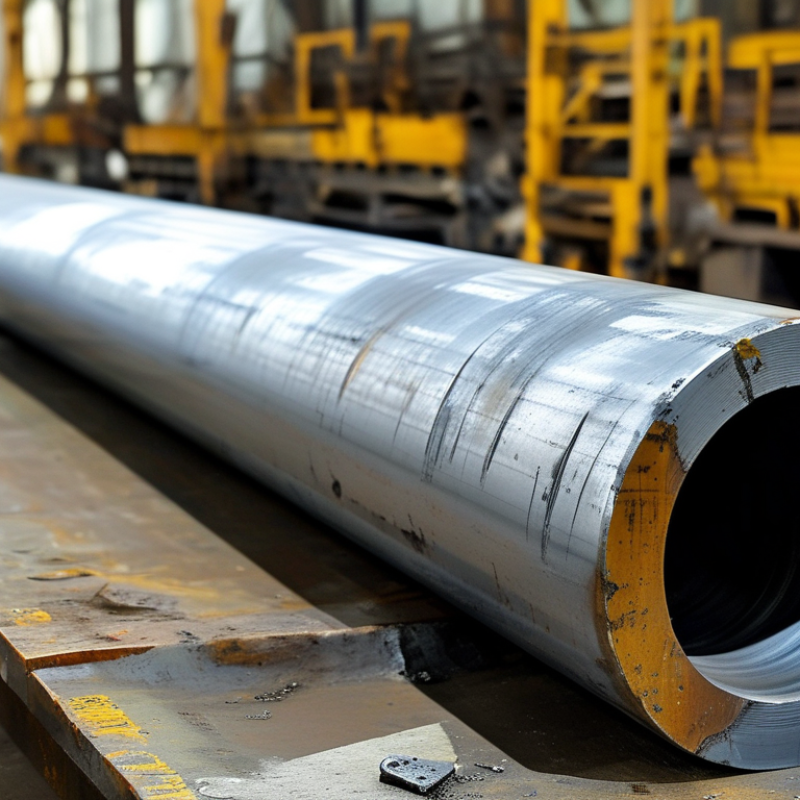
Ti-6242 titanium round bar is a specialized alloy that consists of 6% aluminum, 2% tin, and 4% zirconium. This composition offers excellent strength-to-weight ratio and enhanced corrosion resistance. The presence of aluminum boosts the material’s strength without significantly adding weight, making it ideal for aerospace applications. Engineers and manufacturers often choose Ti-6242 for critical components in aircraft and spacecraft.
Cutting and machining Ti-6242 can be challenging due to its hardness. Proper tooling and techniques are crucial for efficient processing. Using sharp tools and maintaining appropriate speeds can improve the surface finish. The material can also be sensitive to heat, which may affect its properties. Thus, it is essential to monitor the temperature during machining.
When considering Ti-6242 for your project, think about its unique properties. This alloy is not just strong; it’s also lightweight, which can impact design decisions. Understanding its limitations and benefits is key to making the right choice. Careful evaluation and planning can lead to successful applications in demanding environments.
Composition and Properties of Ti-6242 Titanium Alloy
Ti-6242 titanium alloy, primarily composed of titanium, aluminum, and vanadium, is known for its exceptional properties. The alloy's composition typically includes 6% aluminum and 2% vanadium, contributing to its strength and lightweight nature. This makes it suitable for aerospace applications, where weight savings are crucial. Ti-6242 offers good corrosion resistance and excellent toughness, making it an ideal choice for various environments.
While Ti-6242 boasts many advantages, it is not without challenges. Machining this alloy can be tricky due to its strength, which may lead to tool wear. Additionally, its fabrication requires specialized techniques to maintain the desired properties. Users often struggle with cost-effectiveness as the machining processes can be more expensive compared to other materials.
When considering Ti-6242, it’s essential to evaluate the specific application. For instance, aerospace components demand high reliability under extreme conditions. Manufacturers must ensure they meet these requirements. Consider performing thorough testing on the material in the intended environment before full-scale production. This can save time and resources in the long run. It is crucial to have a clear understanding of how Ti-6242 will perform in your specific context.
Manufacturing Process of Ti-6242 Titanium Round Bar
The manufacturing process of Ti-6242 titanium round bar involves several critical steps to ensure high quality and performance. First, raw titanium is melted using a vacuum induction or arc melting process. This step removes impurities and enhances the material's purity. The melted titanium is then cast into ingots, which are subsequently heated and forged into a round bar shape.
After forging, the bars undergo a series of heat treatments. This process controls the microstructure and influences properties like strength and ductility. It's essential to monitor temperature and time closely, as deviations can lead to suboptimal material properties. The final step includes machining, where precise tolerances are achieved.
Tips: Always check the titanium grade before starting production. Each grade has unique characteristics, affecting its suitability for different applications. Also, consider using advanced imaging techniques to inspect the bars for internal flaws. Regular quality checks are vital to ensure consistent performance throughout the manufacturing process. Remember, even minor deviations can have significant consequences in high-stakes applications.
Key Applications of Ti-6242 Titanium in Various Industries
Ti-6242 titanium round bar is a versatile material extensively used in various industries due to its exceptional properties. In the aerospace sector, it plays a crucial role. Engineers favor Ti-6242 for its lightweight nature and high strength. This combination ensures aircraft can achieve better fuel efficiency while maintaining structural integrity.
The medical field also benefits from Ti-6242 titanium. Its biocompatibility makes it ideal for implants and surgical instruments. Surgeons prefer this material for its strength and resistance to corrosion. For example, dental implants made from Ti-6242 have shown remarkable longevity. However, some challenges persist regarding its manufacturing processes. Precision in machining can be tricky, leading to variability in component performance.
In the oil and gas industry, Ti-6242 is utilized for downhole applications. It withstands harsh environments, making it suitable for critical components. The high resistance to fatigue and crack propagation adds to its appeal. Yet, not every application may align perfectly with Ti-6242 properties. Continuous research is necessary to optimize its use in different settings. The quest for improved performance is ongoing, reflecting the material's potential and shortcomings.
Advantages of Using Ti-6242 Titanium Round Bar Over Other Materials
Ti-6242 titanium round bar offers significant advantages over traditional materials. Its unique composition combines high strength and low weight, making it ideal for various applications. Industries such as aerospace and automotive benefit from its excellent fatigue resistance. The ability to withstand extreme temperatures adds to its appeal. This combination makes it a reliable choice for critical components.
Furthermore, Ti-6242 exhibits superior corrosion resistance compared to steel and aluminum. This quality extends the lifespan of components, reducing maintenance needs. In environments exposed to saltwater or chemicals, Ti-6242 outperforms many alternatives. This durability translates to cost-efficiency. Less frequent replacements mean more savings over time.
Despite these benefits, challenges exist. The machining of Ti-6242 can require specialized tools and techniques. Not all manufacturers are equipped to handle titanium effectively. Proper knowledge is essential to avoid issues during production. Companies need to weigh these factors to fully appreciate Ti-6242’s potential. Understanding the material's properties is crucial for maximizing advantages in practical applications.
What is Ti-6242 Titanium Round Bar and Its Applications?
| Property | Ti-6242 Titanium Round Bar | Comparison Material | Advantages |
|---|---|---|---|
| Density | 4.43 g/cm³ | Steel | Lighter weight, excellent strength-to-weight ratio |
| Tensile Strength | 950 MPa | Aluminum | Higher tensile strength, suitable for high-stress applications |
| Elongation | 10% | Nickel | Better ductility, enhances formability in manufacturing |
| Corrosion Resistance | Excellent | Copper | Superior in harsh environments, prolongs service life |
| Biocompatibility | Yes | Plastic | Ideal for medical implants and devices |
FAQS
: Ti-6242 consists of 6% aluminum, 2% tin, and 4% zirconium.
Its lightweight nature and high strength improve fuel efficiency and structural integrity.
Its hardness requires proper tooling and techniques for efficient processing.
Ti-6242 has superior corrosion resistance, lasting longer than steel and aluminum.
Aerospace, medical, and oil and gas industries extensively use Ti-6242.
Understanding its limitations and benefits is crucial for successful applications.
Yes, precision in machining can be tricky, affecting component reliability.
Continuous research is needed to optimize its use and address manufacturing challenges.
Yes, its durability reduces maintenance needs and less frequent replacements save costs.
No, not every manufacturer has the necessary knowledge or tools for titanium.
Conclusion
Ti-6242 Titanium Round Bar is a specialized titanium alloy known for its high strength-to-weight ratio and excellent corrosion resistance. This alloy is primarily composed of titanium, along with aluminum, vanadium, and other elements, which enhance its mechanical properties. The manufacturing process of Ti-6242 involves precise techniques to ensure optimal performance in demanding environments.
The applications of Ti-6242 Titanium Round Bar are vast and include industries such as aerospace, automotive, and medical. Its advantages over traditional materials include superior fatigue resistance and the ability to withstand extreme temperatures, making it an ideal choice for components subjected to high stresses. Overall, Ti-6242 Titanium Round Bar represents a reliable option for engineers seeking durable solutions in advanced applications.

Blog Tags: